 Call us now:

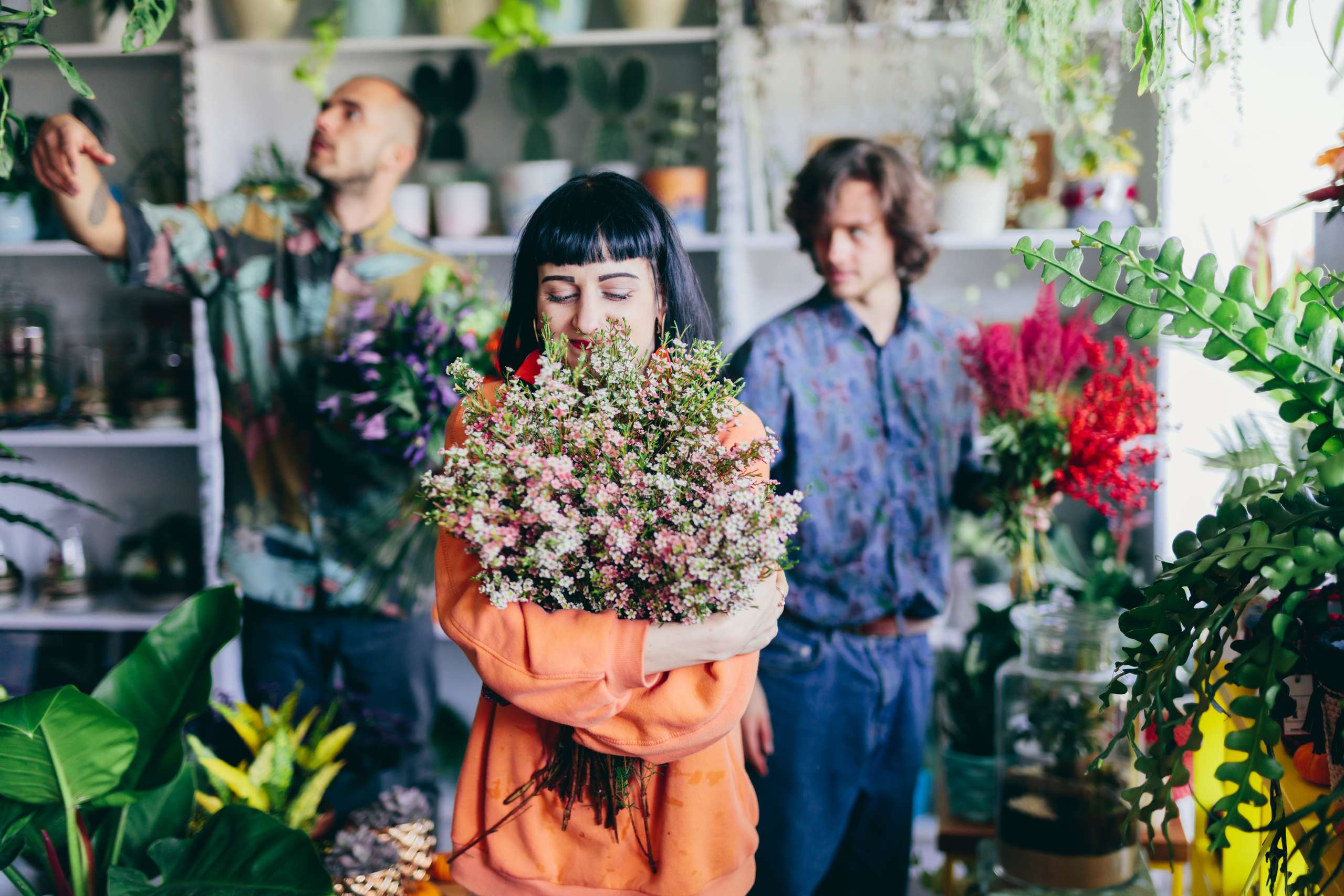
Color represents the pulse of a floral design, able to bring joy, relaxation, memory and passion before any words are exchanged. In floristry, knowledge of how colors relate enables artists to create arrangements that feel purposeful and emotionally resonating. Arranger Freeth instead of working by instinct studies how colors relate to each other and what happens when complementary, oppositional or compatible colors are put next to one another. It’s this knowledge that turns a bunch of blooms into a unified piece, anymore developing the viewers eye and whispering soothing (or disturbing) things to their heart.
The colour wheel is a basic tool in art, reveal ing harmonious color combinations with analogous, opposite and triad systems. And analogous schemes — where the colors chosen come from next to one another on the wheel — produce soft, coordinated designs that soothe and feel organic, like a sunset moving from peach to rose to lavender. Complementary colors lie across the wheel from each other, providing dynamic contrast that allows focal flowers to leap off their background. 3-Tone Schemes Exercise Don’t fear the III Giving thanks for what we have – Happy Thanksgiving! Working with these relationships primes an instinctive feel for what comes together in living breathing materials.
Color also sharpens with texture and tone. Dull leaves can dull bright petals, and shiny ones can make them pop. And soft pastels, airy and romantic; deep saturated tones of drama and sophistication. And produce aside, availability is determined by seasonality: whether arrangers would prefer the blush tones of late fall or the lightness of early spring. Over time, working within these inherent limitations sharpens a designer’s ability to produce mood-specific design, be it a whisper-quiet elegance or an anything-goes exuberance.
Effective colour harmony also takes into account the nature of the design containing the colour. A bridal bouquet will benefit from soft, luminous shades that photograph well and flatter skin tones, while a sympathy piece might veer toward cool, calming blues and whites. And lighting is key as well — what I see in natural light can be quite different from how they appear warm, indoor lamps. The smart artists test their palettes while they are in the environment that it was intended for and adjust until the emotion is just so.
In the end, becoming a color master in floristry is an ongoing practice of combining science with intuition. Every new combination teaches something about balance, emotion and beauty. As confidence increases, arrangers start to violate rules on purpose — dropping in some unexpected accent that leaves you smiling. But the pay off is being able to translate those emotions into living color, designs that requiem long after the petals have wilted.