 Call us now:

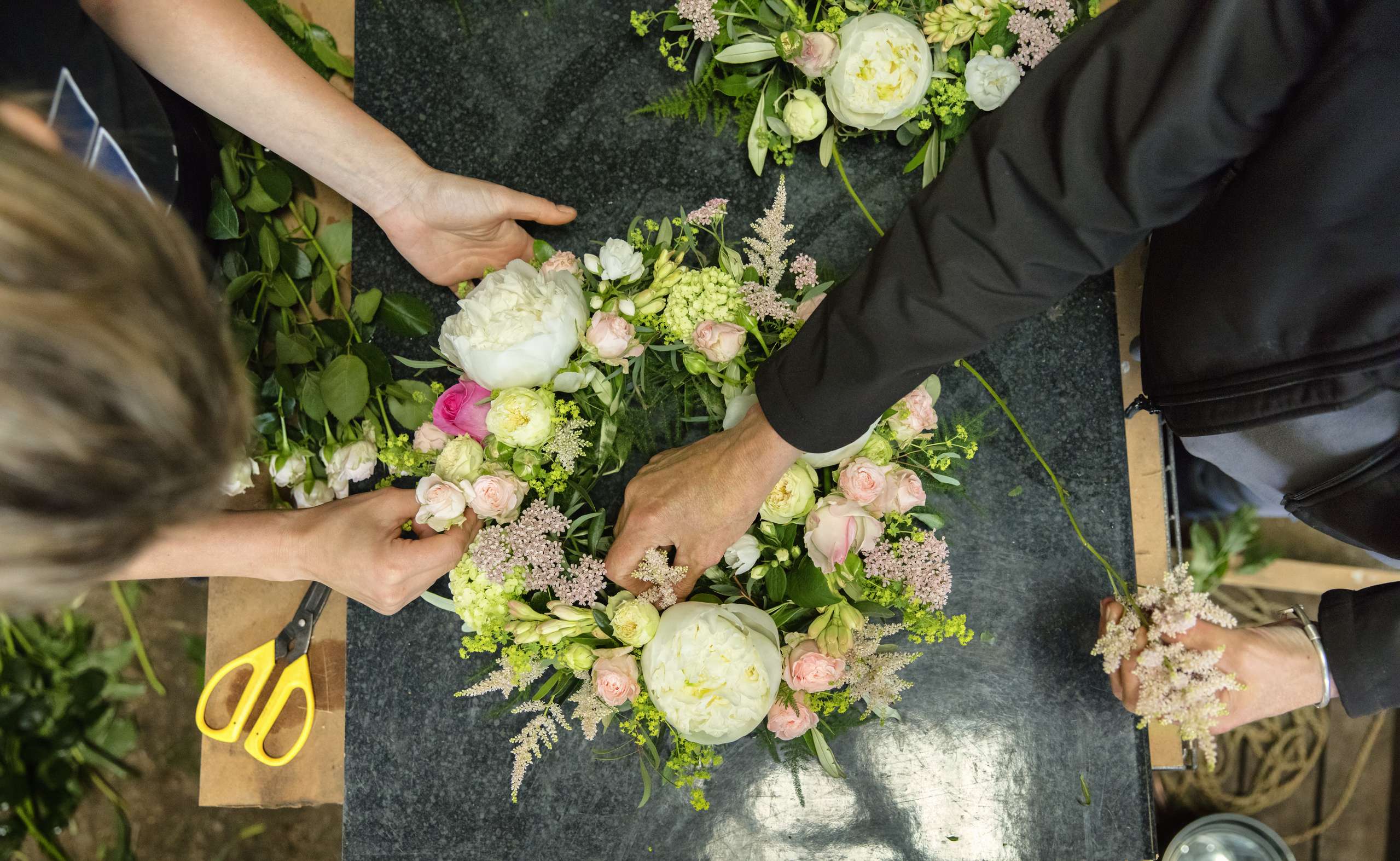
Floristry confidence does not just appear one day, it’s something that grows with time as you actively attempt to improve. Newcomers sometimes come to their first arrangements with some trepidation, unsure about proportions, color selections or even simple mechanics. But every finished work, no matter how flawed, is a wellspring of feedback and satisfaction. The medium is forgiving, after all —the stems can be clipped and moved around or replaced until the design appears even. This kind of iterativity instructs that creativity values not so much perfection, but persistence–developing newcomers’ confidence by demonstrating the long-term wisdom of their choice.
Own hands on work shows nuances that thero can’t express. Conditioning flowers correctly, understanding the way in which various stems interplay and support each other or when to feel the time is right to add a focal bloom — such are insights gained through direct experience. “After so many years of practicing this and honing these observation skills, arrangers can see how light affects color seeing or texture affects visual weight,” she said. What starts with precise referencing leads to instinctual selecting, the hand guides confidently and the eye restlessly feel harmony. This transition from being forced to intentional/purposeful to natural expression is the movement from learning beginner to productive creator.
Organized workouts are key to fast growth. Work with the simple shapes like round, symmetrical bouquets and long linear designs to give you building blocks without overwhelming design. Introducing gradually variacae – like, asymetry balance but still is balnace; or negative, or mixed media. Will keep the children experimenting on a safe platform. Reflection at the end of each session extends learning: analysing what worked, what felt contrived and how the arrangement is emotional. At the end of weeks and months, these small reflections accrete into a personal aesthetic and a dependable process one can apply to any occasion or medium.
The spiritual payoffs of practice go well beyond technique as well. For many, they find that the time spent putting things together is a state of mindfulness, in which it quiets wide external noise and establishes presence. The physical activity of working with living matter — snapping a stem, the scent smacked on an inhalation, petals unfurling — roots the practitioner in the now. Successes, even small ones, fosters resilience and self efficacy; as does learning how to solve problems without criticizing oneself. This light touch of effort and reward can easily flow into other parts of life, deepening overall creative confidence and emotional equilibrium.
In the end, this journey of hands-on floristry turns doubt into a kind of silent authority. I find myself going into new projects from a position of curiosity rather than skepticism, having faith in the knowledge I’ve built up over the years. The arrangements become more vivid and personal, the expressions of not just mastered techniques, but personal outlook. What begins as a quest to make beauty ends up in the discovery of their power, and therein he believes, the ultimate lesson is not how one arranges perfectly but how one has courage to continue arranging, learning and growing through every stem set.